
Every motorist eventually encounters an unexpected mechanical failure or highway incident during their daily travels. A flat tire on a dimly lit country road, a dead battery in a freezing parking lot, or a sudden cooling system failure during heavy rush hour traffic can quickly derail an entire day. Approaching automobile ownership with a clear action plan transforms these sudden road hazards into minor, easily handled delays rather than overwhelming financial and logistical crises. Knowing which qualified service providers to call before trouble strikes ensures personal safety, minimizes downtime, and reduces driving anxiety.
When a vehicle becomes completely immobilized on the shoulder of a busy highway, swift professional intervention becomes necessary. Calling for a flatbed towing service allows the disabled vehicle to be transported safely to a repair facility without placing extra stress on damaged mechanical components. Flatbed carriers are especially crucial for modern all-wheel-drive crossovers, electric vehicles, and luxury sedans, as elevating the entire chassis off the pavement prevents serious damage to delicate drivetrain components, electric motors, and differential systems during transit.
For minor roadside mishaps that do not require full shop transport, on-the-spot support provides immediate relief. Participating in a dependable roadside assist plan connects drivers with fast help for battery jumpstarts, tire replacements, emergency fuel delivery, and lockout assistance right at the scene. Having access to responsive roadside technicians around the clock gives drivers peace of mind, whether navigating daily city commutes or embarking on long cross-country highway journeys.
Fundamental Mechanical Health and Preventive Diagnostics
Once an immobilized automobile arrives safely at a service bay, comprehensive mechanical evaluations must begin. Consistent preventive care forms the true cornerstone of long-term automobile reliability and high performance. Ignoring subtle fluid leaks, faint grinding sounds, or slight engine hesitations often leads to compounding internal wear that eventually results in catastrophic component failures. Building a working relationship with an experienced certified technician ensures that routine maintenance tasks are performed well before parts fail outright.
Routine auto repair procedures focus on preserving the foundational operating components of the engine and supporting mechanical systems. Standard maintenance visits include engine oil and filter changes, intake air filter replacements, fluid level checks, and thorough belt and hose inspections. Qualified mechanics examine rubber coolant lines for swelling, inspect drive belts for micro-cracks, and test battery voltage under load. Resolving small issues early prevents severe engine overheating and preserves optimal fuel efficiency across thousands of driving miles.
Among the various mechanical components demanding regular professional inspection, stopping power remains the top priority for driver safety. Scheduled brake repair services maintain optimal performance across hydraulic lines, brake calipers, friction pads, and steel rotors. Replacing worn friction pads before they wear down to metal backings prevents severe rotor scoring and ensures consistent, reliable stopping distances during unexpected traffic slowdowns or wet road conditions.
Drivetrain Efficiency and Steering Dynamics
Beyond basic engine maintenance, power delivery and handling systems demand precise attention to keep a vehicle running quietly and smoothly. Modern automotive drivetrains are complex mechanical networks operating under intense friction, extreme hydraulic pressures, and high thermal loads. Allowing gearbox fluids to deteriorate or driving with misaligned suspension geometry degrades overall performance and leads to uncomfortable cabin vibrations that ruin the driving experience.
Internal gear assemblies require specialized fluid maintenance, particularly when addressing complex transmission repairs. Automatic and manual gearboxes rely on specific hydraulic fluids to lubricate gears, engage clutch plates, and regulate internal operating temperatures. Over time, high heat degrades fluid viscosity and allows fine metallic debris to circulate through delicate internal valves, causing slipping gears, harsh engagement, or delayed shifting. Timely fluid flushes clear internal contaminants and help preserve expensive gear assemblies from premature wear.
Handling accuracy is equally critical for driver control, highway safety, and tire longevity. Visiting a reliable local car alignment shop keeps suspension angles calibrated precisely to original factory specifications. Correct wheel orientation ensures that tire tread contacts the pavement uniformly across its footprint, preventing premature tire cupping and uneven shoulder wear. When suspension angles are accurately calibrated, vehicles track straight along highway lanes without drifting, providing smoother rides and better fuel efficiency.
Preserving Body Integrity and Exterior Panels
Daily driving exposes vehicle bodywork to parking lot dings, flying road debris, and harsh environmental elements. Maintaining an automobile’s exterior condition is not merely a matter of visual pride; preserving original factory paint and straight metal panels prevents moisture accumulation and structural corrosion. Addressing minor body blemishes promptly keeps vehicles looking crisp while protecting valuable resale equity over time.
Minor body dings and shallow creases can often be corrected without invasive traditional body shop repairs. Technicians using paintless dent repairs utilize specialized hand tools to carefully massage bent metal back into its original contour from behind the panel. Because this method preserves the original factory paint finish, it eliminates the need for body filler, heavy sanding, or panel repainting. It offers a fast, affordable way to eliminate hail marks and shopping cart dings while maintaining original factory paint integrity.
While minor dings can be massaged out, preventing stone chips on front body panels requires proactive physical barriers. Flying gravel and road grit constantly pummel front bumpers, mirror caps, and hoods on high-speed highways. Professional paint protection film services apply a clear, impact-resistant polyurethane layer over these vulnerable high-impact zones. This durable elastic material absorbs kinetic energy from road debris, shielding underlying paint from unsightly chips, deep scratches, and bug splatter stains.
Interior Climate Management and Surface Protection
The interior cabin environment directly shapes driver comfort and daily satisfaction behind the wheel. Intense solar radiation passing through clear vehicle windows creates uncomfortable heat buildup and damages delicate interior surfaces over time. Combining glass treatments with advanced paint armor creates a complete barrier against solar radiation and environmental contaminants.
Installing professional car window tinting reduces solar heat entering the cabin, keeping interior temperatures cooler during hot summer months. High-grade ceramic window films reflect invisible infrared heat rays while blocking destructive ultraviolet light. This protective layer prevents leather seats, vinyl dashboards, and electronic display screens from fading, drying, or cracking. Reducing interior thermal buildup also lowers the load on air conditioning systems, improving cabin comfort and fuel economy.
To complement glass protection, applying a high-performance ceramic coating service guards exterior paintwork against harsh chemical contaminants. This advanced liquid formula cures to form a hard, glass-like hydrophobic barrier over the original clear coat. Rainwater, road mud, tree sap, and bird droppings slide off effortlessly, simplifying routine maintenance washes. The protective layer also guards clear coat gloss against ultraviolet oxidation, ensuring a deep mirror shine that lasts for years.
Contingency Planning and Vehicle Transportation
Emergency preparedness remains an essential aspect of responsible vehicle ownership throughout every season of the year. Unforeseen electrical failures, major tire blowouts, or unexpected mechanical stoppages can happen even to well-maintained automobiles. Having clear contingency steps in place prevents panicked decisions and ensures that vehicle occupants remain safe while waiting for assistance along busy roadways.
When severe mechanical failure renders an automobile completely inoperable, utilizing flatbed towing offers the safest transport option available. Elevating all four wheels onto a flat deck protects sensitive driveline components from unwanted friction and drag damage during transit. This method is strongly recommended for luxury sedans, low-clearance sports cars, and heavy electric vehicles that cannot be towed safely using traditional hook-and-chain equipment.
For less severe interruptions, having access to quick roadside assist coverage resolves common issues directly at the breakdown location. Whether delivering fuel after running empty, providing a quick battery jumpstart, or replacing a punctured tire with a spare, mobile support gets vehicles back on the road rapidly. Keeping emergency support credentials stored in the vehicle ensures swift response times whenever driving plans encounter unexpected hurdles.
Comprehensive Mechanical Inspection and Safety Practices
Maintaining long-term vehicle health requires transitioning from emergency fixes to systematic preventive care. Regularly scheduled diagnostics help mechanics identify worn belts, failing sensors, or degraded lubricants before they cause catastrophic component failure. Taking a proactive approach to vehicle health reduces total ownership costs and keeps automobiles operating safely for hundreds of thousands of miles.
Comprehensive auto repair procedures involve checking all major working systems during every service interval. Skilled mechanics inspect engine oil health, transmission fluid condition, brake line integrity, and steering components. Addressing small fluid leaks, worn suspension bushings, or deteriorating drive belts during routine appointments prevents unexpected breakdowns and keeps critical mechanical systems operating within optimal temperature ranges.
Safety systems require unwavering attention, with special emphasis placed on routine brake repair. Brake pads, metal rotors, calipers, and hydraulic lines work continuously under high friction and intense heat. Replacing worn friction material before metal backing plates contact rotors prevents costly scoring and maintains firm pedal response. Regular brake flushes also clear moisture from hydraulic lines, preventing internal corrosion and preserving maximum stopping force in heavy traffic.
Steering Geometry and Drivetrain Preservation
Smooth power delivery and precise handling are vital for driver confidence and overall vehicle control. As automobiles accumulate mileage over rough roads and through severe potholes, suspension components naturally shift out of alignment, and gearbox fluids suffer thermal degradation. Addressing these maintenance items promptly restores original factory driving dynamics and protects expensive mechanical components from early failure.
Maintaining suspension angles by visiting a trusted local car alignment shop prevents premature tire degradation and reduces rolling resistance. Proper wheel alignment ensures that tire tread contacts the road uniformly across the entire surface, preventing irregular shoulder wear and steering wheel vibration. Accurately set wheel angles allow vehicles to track straight along highways, reducing steering effort and maximizing fuel economy.
Alongside suspension care, gearbox maintenance is essential for maintaining power transfer efficiency, especially when scheduling major transmission repairs. Automatic and manual transmissions rely on clean fluid to cool internal clutch packs, lubricate planetary gears, and manage hydraulic pressure. Over time, fluid breakdown leads to rough shifting, gear slippage, and internal overheating. Periodic fluid flushes remove accumulated metal shavings, maintaining smooth gear shifts and extending overall drivetrain life.
Advanced Body Restoration and Solar Blocking Solutions
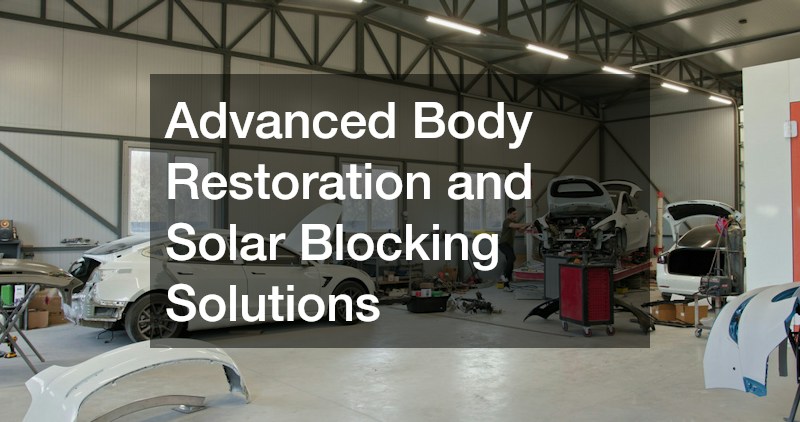
Preserving a vehicle’s appearance involves addressing both structural metal dings and cabin climate control. Daily parking in tight spaces leaves body panels vulnerable to door dings, while intense sunlight degrades interior materials. Utilizing non-invasive metal restoration alongside advanced window films preserves both exterior body lines and internal luxury.
Fixing body imperfections using paintless dent repairs allows vehicle owners to restore smooth panel lines without repainting. Specialized technicians work behind body panels to gently push out dings caused by hail or shopping carts. Maintaining original factory paint preserves the clear coat seal and prevents rust formation, offering a fast and cost-effective alternative to traditional body shop repairs.
To protect interior components from intense sun exposure, professional car window tinting provides essential thermal insulation and privacy. Quality window film blocks harmful UV rays that cause leather and vinyl to crack and fade over time. Modern tinting materials reduce ambient cabin heat without interfering with mobile device signals or GPS navigation, ensuring a comfortable and connected driving environment for all passengers.
Exterior Surface Protection and Strategic Ownership
Long-term vehicle preservation reaches its peak when physical surface armor and chemical paint coatings work in harmony. Protecting exterior paintwork from rock chips and chemical staining keeps vehicles looking brand new while maximizing trade-in value when upgrading to a new model. Combining surface armor with regular detailing creates an impenetrable barrier against harsh environmental conditions.
Applying high-performance paint protection film services creates a durable physical barrier over high-impact exterior surfaces. The resilient polyurethane material cushions impacts from stone chips, gravel, and road grit, preventing paint damage on front bumpers and hoods. Self-healing clear coat properties allow minor surface scuffs to disappear when exposed to ambient heat, keeping front body panels smooth and unblemished.
To complete exterior defense, applying a high-grade ceramic coating service adds an enduring chemical shield over all painted surfaces. The hydrophobic layer repels water, road grime, and industrial contaminants, keeping the vehicle cleaner between washes. The deep gloss enhances color depth while guarding against UV damage and oxidation. By following a structured approach to emergency readiness, mechanical maintenance, and cosmetic preservation, vehicle owners enjoy safe, reliable, and pristine driving experiences for years to come.