

Preparing your vehicle for sale requires moving far beyond a quick automatic car wash and a hasty cabin vacuuming. If you want to secure top-dollar offers in today’s competitive marketplace, you must approach the process with a strategic, systematic mindset. Prospective buyers, whether private individuals, professional valuation agents, or commercial inventory managers, are trained to spot defects, mechanical neglect, and cosmetic imperfections. Every unaddressed ding, squeaking component, or missing maintenance receipt provides a potential buyer with instant leverage to negotiate your asking price downward.
Maximizing your vehicle’s resale value demands a multi-stage pre-sale execution plan. By conducting thorough mechanical checks, restoring exterior paint and interior surfaces, organizing maintenance records, and choosing the optimal sales channel, you present a pristine asset that commands respect and high offers. Investing a modest amount of time and effort into preparing your car upfront almost always yields a significantly higher financial return, speeding up the sales timeline and ensuring a smooth, stress-free transaction.
Restoring Exterior Finish and Curb Appeal
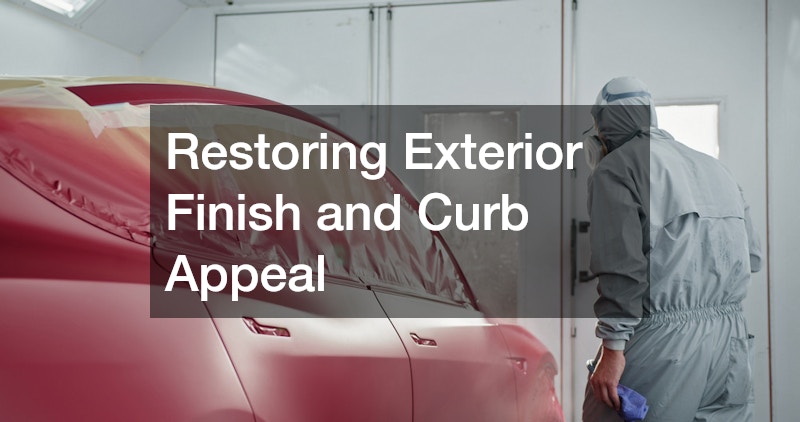
First impressions dictate the tone of any vehicle sale. Before a potential buyer ever sits in the driver’s seat or turns the ignition key, they form a subconscious judgment based on your vehicle’s exterior condition. A body covered in door dings, paint chips, bumper scuffs, or faded clear coat suggests to a buyer that the vehicle was neglected mechanically as well. Elevating your vehicle’s curb appeal is the single most effective way to capture immediate interest and justify a premium asking price.
Begin with a thorough exterior assessment under direct sunlight. Walk around the vehicle and inventory every surface flaw. Minor paint scratches that haven’t penetrated the primer can often be buffed out using a dual-action polisher and a mild cutting compound. For deeper paint chips along the hood and front bumper, apply factory-matched touch-up paint using a fine-microbrush, followed by clear coat and light wet-sanding to blend the repair seamlessly. Cleaning and polishing oxidized, cloudy headlight lenses using a restoration kit instantly refreshes the front profile, making the vehicle look years newer in listing photos.
When addressing noticeable panel damage, evaluate whether professional intervention is necessary to protect your asking price. Substantial collision dents, crumpled quarter panels, or misaligned bumpers usually require specialized attention from professional auto body repair facilities to align panel gaps correctly. However, for localized hail dings, shallow crease damage, or parking lot door strikes that have left the factory paint intact, contracting specialized car hail dent removal services via Paintless Dent Repair (PDR) is far more cost-effective. PDR technicians use specialized metal rods to massage dents out from behind the panel, preserving your original factory finish without the high costs and time delays associated with traditional body fillers and repainting.
- Audit exterior panels thoroughly: Walk around the vehicle under bright, natural light to document all scratches, dings, paint chips, and panel misalignments.
- Restore faded plastics and trim: Apply a specialized exterior trim restorer to sun-bleached rubber window seals, door handles, and plastic bumper trim to restore deep black tones.
- Deep clean wheels and tires: Use a non-acidic wheel cleaner to remove baked-on metallic brake dust from alloy rims, and apply a non-greasy tire dressing for a crisp finish.
Addressing Mechanical Maintenance and Safety Components
While a shining exterior attracts buyers, mechanical reliability closes the deal. Today’s car buyers are more informed than ever, frequently bringing knowledgeable friends or hiring mobile mechanics to perform pre-purchase inspections. If a test drive reveals soft pedal feel, engine hesitations, or unusual suspension noises, a buyer will either walk away entirely or demand thousands of dollars off your asking price to cover their perceived risk.
Start your mechanical preparation by scanning the onboard computer using a basic OBD-II diagnostic tool. If your vehicle displays a Check Engine, ABS, or Airbag warning light, you must diagnose and address the root cause before listing the car. Buyers will automatically assume the worst when seeing a warning light, even if it is caused by a simple loose gas cap or a faulty oxygen sensor. Top off all engine fluids, including engine oil, transmission fluid, coolant, power steering fluid, and windshield washer fluid. Replacing dirty engine air filters and cabin filters is an inexpensive step that improves throttle response and ensures fresh airflow during the test drive.
Focus significant attention on your stopping system and drivetrain components, as these directly impact vehicle safety during a test drive. If the vehicle pulls to one side during hard stopping, makes grinding noises, or exhibits steering wheel pulsation, you must invest in standard auto repair services prior to marketing the vehicle. Performing basic brake repairs—such as installing fresh brake pads and resurfacing or replacing pitted rotors—eliminates alarming noises and restores immediate stopping confidence. A vehicle that stops smoothly and operates quietly builds immense buyer trust from the moment they step on the pedal.
- Clear diagnostic fault codes: Diagnose and repair active engine or sensor issues so the dashboard displays zero warning indicators during test drives.
- Inspect tire tread and pressure: Ensure all four tires match, maintain proper inflation levels, and possess at least 4/32 inches of tread depth to pass buyer scrutiny.
- Clean the engine bay: Safely degrease and wipe down engine plastic covers and hoses to present a clean, leak-free engine compartment that signals careful maintenance.
Professional Interior Deep Cleaning and Detailing
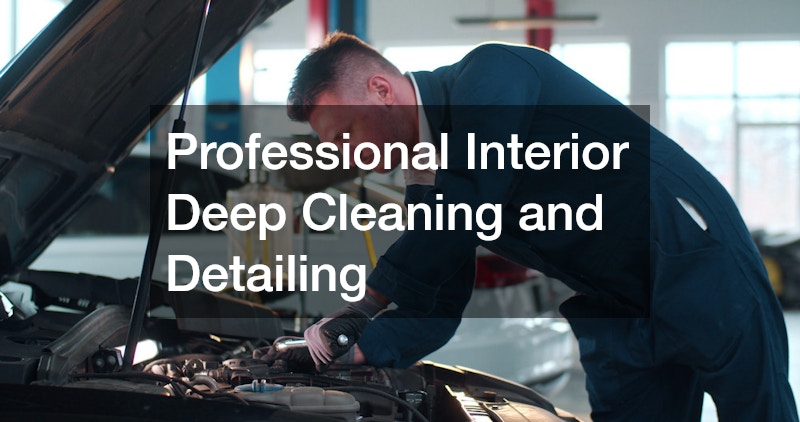
The interior of your vehicle is where the prospective buyer will spend the majority of their time during a viewing. A cabin that smells musty, features stained upholstery, or contains sticky center consoles instantly depresses buyer enthusiasm. Conversely, a pristine, fresh-smelling interior creates a powerful psychological perception that the car has been meticulously cared for throughout its lifespan.
Deep cleaning the cabin requires a systematic, step-by-step approach starting from the ceiling and working down to the floorboards. Remove all personal belongings, trash, glovebox clutter, and aftermarket phone mounts. Vacuum carpeted floors, floor mats, and seat crevices thoroughly using specialized nozzle attachments. For cloth seats and carpeting with stubborn stains or deep-set dirt, utilize a commercial hot-water carpet extractor or steam cleaner paired with fabric shampoo. If your vehicle features leather seating, use a pH-balanced leather cleaner to lift oils and grime from the pores, followed by a premium leather conditioner to restore softness and eliminate unsightly glare.
Air quality inside the vehicle is just as important as visual cleanliness. Lingering odors from pets, food spills, or tobacco smoke will severely hurt your car’s resale value. Avoid masking bad smells with heavy, artificial air fresheners, as buyers frequently suspect this covers up hidden mold or smoke damage. Instead, run an ozone generator inside the closed cabin for 30 to 60 minutes, followed by replacing the cabin air filter, to permanently neutralize odor-causing bacteria.
When preparing the cabin, paying attention to routine maintenance details makes a lasting impression. Ensuring your vehicle has recently undergone a comprehensive brake service demonstrates to buyers that safety components are fully maintained. Protecting dashboard plastics, door panels, and vinyl trim with non-greasy auto care products shields interior surfaces from UV fading while providing a clean, matte finish that looks factory-new.
- Extract carpet and seat stains: Use a dedicated fabric shampooer or steam extractor to lift ground-in dirt, coffee spills, and water spots from seat cushions.
- Condition leather seating: Treat leather surfaces with dedicated conditioners to prevent cracking, restore flexibility, and remove oily sheen from high-touch areas.
- Clean interior glass streak-free: Use an ammonia-free glass cleaner and waffle-weave microfiber towels to wipe away the hazy film that accumulates inside windshields.
Gathering Maintenance Records and Title Documentation
Nothing builds buyer confidence faster than a thick, organized stack of maintenance records. When a buyer can visually trace a vehicle’s service history from day one, their anxiety about hidden mechanical problems disappears. Transparent documentation validates your asking price, eliminates aggressive low-ball offers, and sets your listing apart from competing cars that lack proof of care.
Begin assembling your vehicle’s paperwork several weeks before listing it for sale. Collect every receipt, invoice, and work order you have accumulated during your ownership. Arrange these documents chronologically in a neat binder or folder. Highlight major milestone services, such as timing belt replacements, spark plug changes, water pump installs, coolant flushes, and tire purchases. If you performed basic routine maintenance yourself—such as oil changes or filter replacements—log the dates, mileages, and component purchase receipts neatly in a service ledger sheet.
In addition to routine oil changes and maintenance, documented proof of major mechanical overhauls adds substantial value to your listing. If your vehicle had severe drivetrain issues resolved, presenting detailed receipts for complex tasks like a transmission repair proves to buyers that a major potential liability has already been fixed by professionals.
Likewise, showing that major structural body repairs or panel adjustments were performed by certified auto body shops reassures safety-conscious buyers that structural integrity and crash safety compliance were fully maintained. Having all ownership documents, lien release letters, and title transfer forms ready streamlines the transaction when a buyer decides to purchase.
- Organize service invoices chronologically: Place all repair receipts, oil change logs, and tire purchase documents into a neat binder for buyer inspection.
- Obtain a clean vehicle history report: Purchase a CARFAX or AutoCheck report upfront to share with buyers, proving clean title status and verified mileage.
- Secure official title paperwork: Ensure your vehicle title is free of bank liens, or request an official payoff letter from your lender if currently financing.
Establishing Accurate Market Valuation and Sales Channels

With your vehicle mechanically sound, cosmetically restored, and fully documented, the final step is establishing a competitive price and choosing the right channel to execute the sale. Pricing a vehicle too high will cause your listing to sit stagnant for weeks, while pricing it too low leaves thousands of dollars on the table. Finding the pricing sweet spot requires objective market research and an understanding of different selling platforms.
Start by gathering valuation benchmarks from major pricing guides such as Kelley Blue Book, Edmunds, and NADA Guides. Input your vehicle’s exact trim level, options, mileage, and true physical condition. Remember to be realistic about your car’s condition rating; overestimating a vehicle as “Excellent” when it has typical wear leads to unrealistic price expectations. Next, research local online marketplaces to analyze what private sellers and dealers are asking for similar vehicles in your geographic area. Pay attention to how long those listings have been active to gauge market demand.
Before committing to a private listing, take advantage of modern online appraisal services to establish a solid cash baseline for your car. Obtaining an instant cash offer or booking a physical auto appraisal at a local buying center provides a guaranteed, binding offer that acts as your price floor.
If you choose to trade in your vehicle or sell directly to a commercial auto dealer, you will likely receive less than private-party market value because the dealership must recondition the car and make a profit on resale. However, selling to a commercial buyer eliminates the hassle of hosting strangers for test drives, waiting for buyer financing approval, or managing title paperwork yourself. Decide whether maximizing raw dollar returns via a private sale or enjoying the speed and safety of a instant cash buyer best fits your personal priorities.
- Research comparable local listings: Check online car sales platforms to analyze pricing trends for vehicles matching your year, make, model, trim, and mileage.
- Establish a realistic pricing strategy: Set your initial asking price slightly above your target number to leave room for negotiation while staying competitive.
- Capture high-quality listing photography: Take 20 to 30 well-lit, high-resolution photos of the exterior, interior, engine bay, trunk, tires, and dashboard features.
Executing a Seamless Vehicle Sale

Preparing your car to sell for maximum value is an investment that pays clear dividends. By systematically working through exterior body restoration, mechanical safety checks, deep interior detailing, paperwork organization, and market pricing, you transform an ordinary used car into a premium, highly desirable asset.
Taking the time to address minor flaws upfront prevents buyers from picking your car apart during inspections and gives you total confidence when holding firm on your asking price. Whether you hand the keys over to a private buyer or accept a streamlined instant cash buyout, a well-prepared vehicle sells faster, commands top dollar, and provides a clean, satisfying end to your ownership journey.