

Keeping your vehicle in good condition requires more than responding when something stops working. Regular maintenance, timely inspections, and thoughtful upgrades can help you maintain its performance, protect its appearance, and reduce the likelihood of unexpected problems. Small issues, such as unusual noises, fluid leaks, or minor windshield damage, can become more difficult to address when ignored.
A practical maintenance routine also makes vehicle ownership easier to manage. Knowing which components need attention, where to find qualified professionals, and what supplies to keep on hand helps you make informed decisions. Your driving habits, vehicle age, and manufacturer’s recommendations should all influence your maintenance priorities.
From keeping the interior fresh to preparing for roadside emergencies, a few consistent habits can make a meaningful difference. Understanding these responsibilities helps you protect your investment and enjoy safer, more dependable driving.
Follow a Consistent Maintenance Schedule to Catch Problems Early
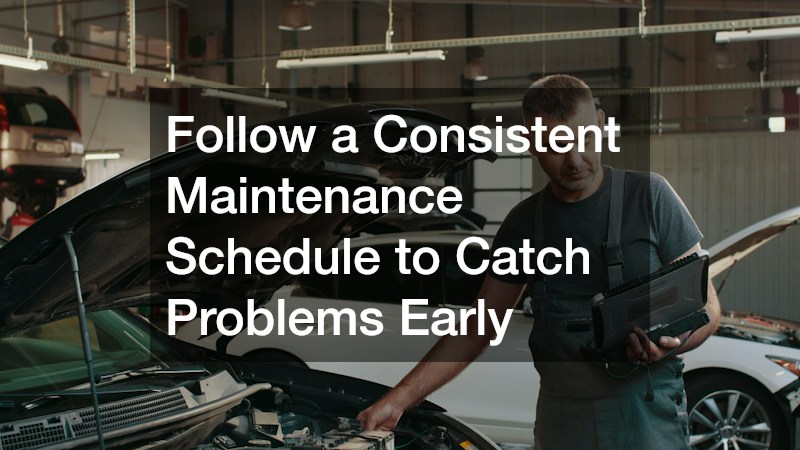
Routine maintenance helps identify developing problems before they interfere with vehicle performance or safety. Follow the manufacturer’s recommended service schedule rather than waiting for a warning light or noticeable change. Regular inspections of essential systems can also help you track wear and plan necessary work.
Pay attention to changes in braking, steering, acceleration, and handling. Unusual vibrations, unfamiliar sounds, fluid spots beneath the vehicle, or dashboard warnings may indicate a problem that needs professional attention. Addressing these signs promptly can prevent additional damage.
Create a maintenance checklist that includes:
- Oil and fluids: Check engine oil, coolant, brake fluid, and other fluids according to manufacturer recommendations.
- Tires: Monitor pressure, tread condition, and uneven wear.
- Brakes: Watch for squealing, grinding, or changes in pedal response.
- Battery: Look for corrosion and pay attention to slow engine starts.
- Lights and wipers: Confirm that exterior lights work and windshield wipers clear the glass effectively.
Keep service records and note upcoming maintenance dates. This makes it easier to recognize recurring issues and discuss your vehicle’s condition with an auto repair technician.
Select Replacement Components That Match Your Vehicle’s Requirements
When a component wears out or becomes damaged, choosing a suitable replacement is essential. Compatibility affects how well the vehicle operates, so avoid selecting an item based only on appearance or price. Check the manufacturer’s specifications and verify that the replacement matches your vehicle’s make, model, year, and engine configuration.
You may encounter original equipment manufacturer (OEM), aftermarket, and used options. OEM components are made to the manufacturer’s specifications, while aftermarket products come from other manufacturers. Used components may cost less, but their condition and history deserve careful consideration.
Before purchasing car parts, review these details:
- Compatibility: Use your vehicle identification number (VIN) when checking fit and specifications.
- Quality: Review manufacturer information, materials, and product details.
- Condition: Confirm whether an item is new, refurbished, or used.
- Returns: Understand the seller’s return policy before ordering.
- Installation: Determine whether professional installation is recommended.
For safety-critical components involving brakes, steering, or suspension, consult a qualified technician. The right replacement should meet the vehicle’s requirements, not simply fit within your budget.
Address Windshield Damage Before It Affects Driver Visibility
Your windshield supports clear visibility and contributes to the vehicle’s structural design. Even a small chip can become a larger crack when exposed to road vibrations, temperature changes, or another impact. Inspect the glass regularly, especially after driving on gravel roads or behind vehicles carrying loose materials.
The appropriate solution depends on the damage’s size, depth, location, and severity. A technician can determine whether the affected area is suitable for repair or whether replacing the glass is necessary. Damage directly in the driver’s line of sight deserves particular attention because even a repaired area may affect visibility.
If you notice a chip or crack:
- Photograph the damage so you can monitor changes.
- Avoid pressing or touching the affected area.
- Keep the glass away from sudden temperature changes when possible.
- Arrange a professional inspection promptly.
- Ask whether the damage can be repaired without compromising visibility or safety.
Timely windshield repair can prevent some minor damage from spreading and may eliminate the need for a more extensive replacement. Never delay an inspection when your ability to see the road is affected.
Keep the Interior Clean and Eliminate Persistent Odors

A clean interior makes driving more comfortable and helps preserve upholstery, carpeting, and other surfaces. However, unpleasant smells can persist even after a quick vacuum or wipe-down. Food residue, spilled drinks, moisture, smoke, and pet-related messes may settle into fabrics and hard-to-reach areas.
Start by identifying the source rather than covering the smell with an air freshener. Check beneath floor mats, around seats, inside storage compartments, and near areas where water could enter. Damp carpeting or recurring musty odors may indicate moisture that needs attention.
A consistent cleaning routine should include:
- Removing trash, food wrappers, and other debris.
- Vacuuming seats, carpets, floor mats, and upholstery seams.
- Cleaning spills promptly with products suitable for the affected material.
- Wiping dashboards, door panels, and frequently touched surfaces.
- Allowing damp materials to dry thoroughly before replacing floor mats.
Professional detailing or specialized car odor removal may be appropriate when smells remain after routine cleaning. Ask about the products and methods used, particularly if you have leather upholstery or sensitive interior materials. Addressing the source is more effective than repeatedly masking the odor.
Improve Driving Comfort While Maintaining Clear Visibility
Sunlight and glare can make driving less comfortable, particularly during bright afternoons. Window treatments may help manage sunlight entering the cabin, but drivers should consider visibility, material quality, and local regulations before making changes.
Professional auto window tinting involves applying a film to vehicle glass. Different products offer varying levels of light transmission, heat rejection, and UV protection. Compare specifications instead of assuming that darker film automatically provides better performance. The right choice depends on your comfort preferences and the vehicle’s intended use.
Before scheduling installation, consider:
- Legal limits: Check applicable state and local rules for tint darkness and window placement.
- Visibility: Choose a product that allows appropriate visibility in daylight and at night.
- Film quality: Compare clarity, durability, and resistance to discoloration.
- Installation: Ask how the glass will be prepared and how the film will be applied.
- Maintenance: Follow instructions about cleaning and caring for newly tinted windows.
Poor installation can result in bubbles, peeling, or distorted views. Ask the installer about product specifications and care requirements before approving the work.
Protect Exterior Surfaces From Scratches and Everyday Road Damage
Your vehicle’s paint is exposed to gravel, road debris, insects, weather, and routine washing. Over time, these conditions can contribute to scratches, chips, and surface deterioration. Regular cleaning helps remove contaminants, while additional protective measures may reduce exposure to certain types of damage.
Paint protection films are transparent or specialized coverings applied to selected exterior surfaces. Drivers commonly consider them for areas such as the hood, front bumper, mirrors, and other panels exposed to road debris. Coverage can range from partial applications to larger sections of the vehicle.
Before choosing a product or installer, evaluate:
- Coverage: Decide which areas need protection based on your driving conditions.
- Appearance: Compare clear, matte, and other available finishes.
- Material: Review product specifications and expected durability.
- Preparation: Ask how the vehicle’s paint will be cleaned and prepared.
- Care: Follow the manufacturer’s washing and maintenance recommendations.
Professional installation matters because poor surface preparation or application can affect the film’s appearance. Compare coverage options and costs before deciding how much of your vehicle to protect.
Find Specialists Who Understand the Needs of Imported Vehicles

Imported vehicles may have manufacturer-specific maintenance schedules, diagnostic requirements, and replacement components. A technician who regularly works with your vehicle’s make and model may be better prepared to identify unfamiliar problems and follow the appropriate service procedures.
When arranging foreign auto repairs, look for a provider with relevant experience and access to suitable diagnostic equipment. Ask whether the technician understands your vehicle’s systems and can obtain components that meet manufacturer specifications. Specialized knowledge can be particularly important when troubleshooting electronic features or complex mechanical systems.
Before approving work, ask:
- Has the shop serviced this make and model before?
- Can it access the diagnostic tools required for the vehicle?
- Will replacement components meet the manufacturer’s specifications?
- Can the provider explain the recommended work and its urgency?
- Will you receive an itemized estimate and service record?
Compare the estimate with the symptoms you’ve noticed and any manufacturer maintenance guidance. Keep invoices and inspection records so future technicians can review previous work. A clear service history also helps you monitor recurring concerns.
Recognize Warning Signs of Hydraulic System Problems
Hydraulic systems use pressurized fluid to transfer force in certain vehicle components and specialized equipment. Depending on the vehicle, these systems may be involved in braking, steering, or other functions. Because their performance can affect vehicle control, unusual changes deserve prompt attention.
Fluid leaks, reduced responsiveness, inconsistent pressure, and unfamiliar noises may indicate a problem. You might also notice that a control feels different or that a system no longer responds as expected. Avoid assuming that adding fluid will solve the issue, since leaks or damaged components may require professional assessment.
When considering hydraulic repair, keep these points in mind:
- Check for leaks: Look for visible fluid beneath the vehicle or around accessible components.
- Monitor performance: Note changes in braking, steering, or other hydraulic functions.
- Use the correct fluid: Follow the manufacturer’s specifications.
- Avoid continued operation: Stop driving when a critical system appears compromised.
- Arrange an inspection: Have qualified professionals diagnose pressure problems and damaged components.
Do not attempt unfamiliar repairs on safety-critical systems. A proper diagnosis can identify the underlying cause and help prevent further damage.
Choose a Qualified Repair Provider and Build a Service History
Finding a capable service provider makes routine maintenance and unexpected problems easier to manage. Look beyond convenience and compare a shop’s experience, diagnostic capabilities, technician qualifications, and familiarity with your vehicle. Clear communication is also important because you should understand what work is recommended before authorizing it.
When evaluating local auto shops, ask for written estimates that separate parts, labor, and additional charges. Find out how the provider handles unexpected findings and whether you will be contacted before extra work begins. An itemized invoice helps you understand what was completed and provides a useful record for future visits.
Use these steps when comparing providers:
- Ask about experience with your vehicle’s make and model.
- Review recent customer feedback for patterns in service quality.
- Confirm which diagnostic and maintenance services are available.
- Request an explanation of recommended repairs.
- Keep copies of estimates, invoices, and inspection reports.
Avoid choosing a provider based only on the lowest quoted price. Consider the clarity of its recommendations and whether the proposed work addresses the actual problem. Organized records also help prevent unnecessary repeat services.
Prepare for Unexpected Breakdowns Before You Travel

A vehicle can experience a flat tire, dead battery, overheating, or mechanical problem even when you follow a regular maintenance schedule. Preparing for these situations can make an unexpected stop less stressful and help you respond safely.
Review your roadside assistance options before taking a long trip. Compare what each plan covers, including towing distance, jump-starts, tire changes, lockout support, and emergency fuel delivery.
Keep a basic emergency kit in your vehicle with items such as:
- A flashlight and spare batteries.
- A first-aid kit and reflective warning devices.
- A phone charger or portable power bank.
- Drinking water and basic seasonal supplies.
- A tire pressure gauge and any manufacturer-recommended emergency equipment.
If your vehicle breaks down, move away from traffic when possible, activate your hazard lights, and contact an appropriate service provider. Stay in a safe location while waiting for help. Check your vehicle’s emergency procedures before traveling so you know how to respond if a problem occurs.
Keeping your vehicle safe, clean, and reliable requires consistent attention to its condition and changing maintenance needs. Regular inspections, appropriate replacement components, and timely attention to warning signs can help prevent minor concerns from becoming more serious problems.
Create a maintenance schedule based on manufacturer recommendations, keep records of completed work, and pay attention to changes in performance. Before approving specialized work, ask questions and compare estimates so you understand what your vehicle needs.
Preparation matters, too. Keeping emergency supplies in your vehicle and understanding your options when a breakdown occurs can help you handle unexpected situations more effectively. With practical habits and informed decisions, you can maintain your vehicle’s condition and enjoy more dependable travel.